
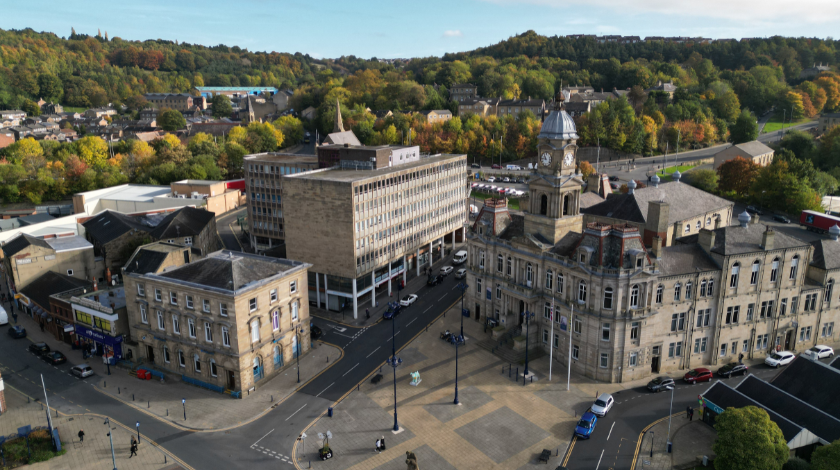
Let’s talk about Dewsbury. If you’ve heard the name, you might have a vague idea of a Yorkshire town, perhaps linked to a bustling market or its past in the wool trade. Maybe you’re passing through on the train from Leeds to Manchester and see the sign flash by. I used to be that person. My first few years in Yorkshire, I’d visit the well-trodden spots like York or Harrogate, but the towns in between, the ones that built the region’s wealth, remained a mystery. Then, I spent a day in Dewsbury. I didn’t find a picture-postcard tourist trap. What I found was something far more interesting: a town with a story etched into its brickwork, a genuine community spirit, and an unvarnished, authentic character that makes you think.
This is an honest guide to Dewsbury. We won’t oversell it. Instead, we’ll walk through its history, its famous market, its quiet corners, and its present-day vibe. You’ll get a real sense of whether you’d like to visit, what you should see, and why towns like this are the backbone of Yorkshire.
A Tapestry Woven in Wool: Dewsbury’s Industrial Heartbeat
To understand Dewsbury today, you have to start with what it was. In the 19th century, Dewsbury wasn’t just a town; it was an industrial powerhouse. It became known as the global capital of the “shoddy” and “mungo” trade. Now, those words might sound odd, but they tell a story of incredible ingenuity. “Shoddy” was the term for yarn made from recycled wool rags. Dewsbury’s mill owners and workers became masters at taking old cloth, shredding it back to fibres, and respinning it into new, affordable fabric. It was an early and spectacular example of the circular economy. This industry clothed armies, covered continents, and made fortunes.
You can feel this history just by looking up. Walk around the town centre, especially near the old railway station, and you’ll see magnificent Victorian architecture. The grandiose Town Hall, opened in 1889, stands as a monument to that era of confidence and wealth. It’s a stunning building, all intricate stonework and pride, paid for by the profits of wool. The mills themselves, many now repurposed for other industries or apartments, line the River Calder like silent sentinels. They’re a physical reminder that this quiet town was once a thunderous engine of the Industrial Revolution. I remember standing outside a converted mill, trying to imagine the noise of the looms that would have echoed through the valley, and the thousands of people whose lives were shaped by them. It gives the place a profound sense of depth.
The Living Heart: Dewsbury Market
If the mills are Dewsbury’s skeleton, then the market is its beating heart. Dewsbury Market, particularly the open-air section, is legendary in West Yorkshire. It’s one of the largest in the region, and on a busy day, it is an exhilarating assault on the senses in the best possible way.
The best days to go are traditionally Wednesday, Friday, and Saturday. The atmosphere is a unique blend of efficiency and sociability. Stalls overflow with everything you could imagine: fresh fruit and vegetables sold with direct Yorkshire charm, colourful bundles of fabrics nodding to the town’s textile heritage, household goods, shoes, and toys. The cries of the stallholders, the buzz of chatter, the smell of fresh produce and nearby food vans—it’s alive. This isn’t a curated boutique experience; it’s a real, working market where people do their weekly shop, meet friends, and haggle for a bargain.
The covered market hall offers a slightly calmer experience, with more permanent stalls selling meat, fish, cheese, and specialty items. My personal recommendation? Head to one of the food stalls for a proper Yorkshire bite. There’s no better way to soak in the atmosphere than with a hot snack in hand, watching the town go about its business. The market is the absolute centrepiece of any visit and the clearest window into Dewsbury’s community spirit.
Beyond the Bustle: Cultural Gems and Green Escapes
While the market is the main draw, Dewsbury has quieter stories to tell. A short walk from the town centre brings you to two contrasting treasures.
First, the Bagshaw Museum. Housed in a beautiful Victorian villa in the picturesque Wilton Park, this museum is a wonderful surprise. It’s like stepping into the eclectic collection of a well-travelled relative. You’ll find exhibits on local history, archaeology, and, most fascinatingly, artefacts from ancient Egypt and other cultures collected by the industrious Bagshaw family. Wilton Park itself is a delight—a sprawling green space perfect for a peaceful stroll, a picnic, or letting children run off some energy. On a sunny day, the contrast between the busy market streets and the tranquillity of the park is what defines Dewsbury’s variety.
Then there’s Dewsbury Minster. This church sits on a site of Christian worship dating back to the 7th century, possibly founded by Paulinus, one of the missionaries who brought Christianity to Northumbria. The current building is largely Gothic revival, but the sense of history is palpable. Stepping inside is a move from the industrial to the ancient, a reminder that long before the mills, this was a place of spiritual significance. It’s a quiet spot for reflection.
The Modern Town: An Honest Look and Practical Tips
Now, let’s be straightforward. Like many post-industrial towns, Dewsbury faces challenges. You’ll see some empty shop units in the town centre, a common story across the UK. It doesn’t have the polished veneer of a heritage-focused tourist town. But to dismiss it for that is to miss the point. The energy here is in its community, its resilience, and its ongoing story. There’s talk and action around regeneration, with plans to revitalise areas and build on the town’s strengths.
So, is Dewsbury worth visiting? Here’s my take, based on experience:
Absolutely, if you:
-
Love authentic, working-class history and industrial heritage.
-
Enjoy bustling, no-frills markets where real life happens.
-
Are passing through and want to see a true slice of Yorkshire, away from the tourist crowds.
-
Are interested in the story of Britain’s industrial towns.
Maybe look elsewhere if you:
-
Only seek quaint tea rooms, pristine heritage streets, and souvenir shops.
-
Prefer a fully polished visitor experience.
Getting there is easy. Dewsbury has a mainline railway station on the TransPennine route between Leeds and Manchester, with regular, quick services. By road, it’s just off the M1 motorway, making it easily accessible.
My advice? Come with an open mind. Talk to people. Ask a stallholder about the market’s history. Pop into a local café. The genuine friendliness of people is Dewsbury’s greatest asset. Don’t just see the buildings; listen to the stories they hint at.
Conclusion: The Spirit of the Place
Dewsbury won’t whisper sweet nothings to you. It will tell you a straight story in a broad Yorkshire accent. It’s a town of layers—ancient Saxon site, industrial giant, and a modern community navigating the 21st century. Its glory might not be in pristine beauty, but in its grit, its history, and the vibrant, thrumming life of its market.
Spending time here feels like reading a well-worn, fascinating history book rather than a glossy magazine. You come away feeling you’ve learned something real about Yorkshire, about how industry shapes a place, and how community endures. That, in my opinion, makes it more than worth the trip. It’s a reminder that sometimes, the most rewarding places are the ones that are unapologetically themselves.
Frequently Asked Questions (FAQ)
Q1: What is Dewsbury most famous for?
A: Dewsbury is most famous for its huge outdoor and covered markets. Historically, it was globally renowned as the centre of the “shoddy” industry in the 19th century, recycling wool rags into new cloth.
Q2: Is Dewsbury a good place to live?
A: Dewsbury offers affordable housing, excellent transport links to Leeds, Manchester, and Bradford, and a strong sense of community, especially around the market. Like any town, it has varying areas, so visiting and researching specific neighbourhoods is recommended.
Q3: What are the best days to visit Dewsbury Market?
A: Wednesday, Friday, and Saturday are the main market days, with Saturday being the busiest and most vibrant. The market is quieter or closed on other days.
Q4: How do I get to Dewsbury by public transport?
A: Dewsbury is very well-connected by train. Dewsbury Railway Station is on the main TransPennine line, with direct, frequent services from Leeds (about 15 minutes), Huddersfield (10 minutes), and Manchester (around 40 minutes).
Q5: Are there any parks or green spaces in Dewsbury?
A: Yes, the standout is Wilton Park, a large Victorian park perfect for walking, picnics, and play areas. It’s also home to the Bagshaw Museum. Crow Nest Park is another pleasant green space on the outskirts of the town centre.
Q6: What is there to do in Dewsbury besides the market?
A: Visit the Bagshaw Museum, explore the history of Dewsbury Minster, admire the Victorian architecture of the Town Hall, watch a rugby match (Dewsbury Rams), or take a walk along the Calder Valley heritage trails.