
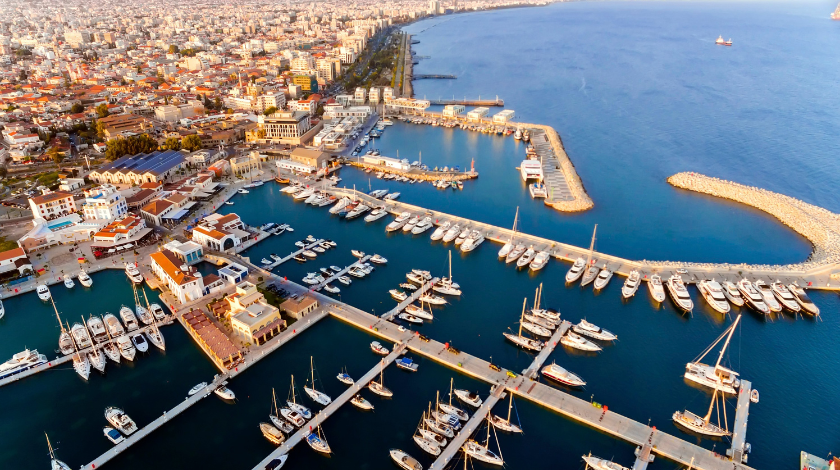
Have you ever watched a sunset from a centuries-old castle, only to turn around and see a skyline of gleaming glass towers? That, for me, is the magic of Limassol in a single glance. I remember sitting at a tiny fish taverna in the old port, the paint peeling off the wooden boats, chatting with a local fisherman. He pointed towards the new marina, a glittering forest of yacht masts, and said with a shrug and a smile, “My grandfather fished here. Now, billionaires park their toys there. Cyprus always changes, but here, we remember.” That conversation stuck with me. It perfectly captures the dual soul of this city a place deeply rooted in history, yet racing towards a cosmopolitan future. If you’re considering a move here, whether for work, lifestyle, or adventure, you need to understand both sides of the coin. Let’s talk honestly about what it’s really like to live in Limassol.
Is Limassol the Right Place for You?
Limassol isn’t just a holiday destination anymore. Over the last fifteen years, it has transformed into Cyprus’s undeniable business and investment hub. This has drawn a massive international crowd from tech entrepreneurs and finance professionals to Russian-speaking families and European retirees. The result is a fascinating, sometimes chaotic, cultural cocktail. You’ll hear Greek, English, Russian, and Hebrew on the street. You’ll find traditional kafeneia (coffee shops) filled with old men playing backgammon right next to sleek coworking spaces. This energy is exhilarating, but it can also feel overwhelming if you crave a slow, purely Cypriot village life. Limassol is for those who want dynamism, who don’t mind a bit of construction noise (there’s always a new building going up), and who thrive in a multicultural environment.
The Reality of the Cost of Living in Limassol
Let’s address the big question first. “Is Limassol expensive?” The answer is: it depends on where you’re coming from and how you choose to live. Compared to London, Zurich, or Moscow, it can feel quite reasonable. Compared to other parts of Cyprus, or a quieter European country like Portugal, it is notably more expensive, especially for housing. The influx of international capital has driven property prices and rents to be the highest on the island. A modern one-bedroom apartment in a desirable area like the Marina or Germasogeia can easily cost over 1,000 euros per month to rent. Buying property here is a serious investment. Supermarkets are well-stocked but pricey, particularly for imported goods. Eating out, however, offers fantastic range. You can spend 50 euros per person at a flashy sushi restaurant by the water, or enjoy a massive, delicious meze feast for two with local wine for 40 euros in a backstreet taverna. My advice? Budget carefully. Live like a local as much as possible shop at the weekly fruit and vegetable markets, enjoy the free beaches, and learn to love Cypriot coffee instead of expensive international chains.
Neighborhoods Decoded: Where to Rent or Buy
Choosing where to live defines your Limassol experience. The city stretches along the coast, so most areas are long and narrow.
-
The Historic Centre (Old Town): This is the soul. Narrow streets, hidden courtyards, and the majestic Limassol Castle. It’s bustling, full of character, and surprisingly residential above the shops. It can be noisy, parking is a nightmare, but you’re in the heart of everything authentic. Perfect for young professionals and artists.
-
Germasogeia & Agios Athanasios: These are the family-friendly suburban hearts. Think modern apartment blocks, villas with gardens, good international schools, and lots of green spaces. It’s quieter, more car-dependent, and has a large expat community. The beaches here, like Dasoudi, are sandy and well-organised.
-
Tourist Area (Old Port to Amathus): This is the bustling strip of hotels, bars, and restaurants along the beach road. It’s lively, especially in summer, and everything is within walking distance. It can feel transient and very crowded in peak season, but if you love having the beach as your front yard, it’s ideal.
-
Marina & New Port: This is the new, glossy face of Limassol. Ultra-modern high-rises, designer shops, and the superyacht marina. It’s prestigious, secure, and stunningly beautiful. It also comes with the highest price tags and can feel a bit impersonal or disconnected from local life.
The Professional Scene: Job Market & Business Hub
This is Limassol’s biggest draw for many. The city has successfully positioned itself as a gateway for international business, particularly in shipping, fintech, forex, and cryptocurrency. Major international companies have their European or Middle Eastern offices here. This means the job market for qualified professionals in these sectors is active. Networking is key. Much of the business culture operates on introductions and relationships. Don’t just send CVs online; attend industry meetups, which are plentiful. For digital nomads, the infrastructure is excellent. High-speed internet is widely available, and cafes and dedicated coworking spaces like Cloud23 or The Project are set up for remote work. The time zone (GMT+2/GMT+3) is also a strategic advantage for dealing with Europe, the Middle East, and Asia.
Work-Life Balance, Limassol Style
This is where Limassol truly shines. The concept of “work hard, play hard” is lived daily. A typical day could involve morning meetings at a marina-side office, a lunch break swimming in the Mediterranean, and after-work drinks watching the boats come in. The weather enables this outdoor lifestyle for most of the year. The long, hot summers are for beach bars and late-night dinners. The mild winters are for hiking in the nearby Troodos Mountains, which are just an hour’s drive away. Weekends can be spent exploring ancient ruins like the Curium amphitheatre, visiting local wineries in the Krasochoria (wine villages), or taking a short drive to Paphos or Larnaca. The work-life integration here feels natural and healthy, a major factor in people’s life satisfaction.
The Challenges: Summer Crowds and Pace
It’s not all sunshine and smooth sailing. From July to August, Limassol swells with tourists. Traffic, especially along the coastal road, becomes congested. Popular beaches are packed, and restaurant reservations are essential. The heat can be intense, often hovering in the mid-30s Celsius (mid-90s Fahrenheit). Some long-term residents I know actually plan their holidays or retreat to the mountains during the peak of August. Furthermore, while services have improved, you might encounter bureaucracy that moves at its own, slower pace. Patience and a good local lawyer or accountant for official matters are invaluable assets.
Final Verdict: Who Thrives in Limassol?
So, who ends up loving life here? Based on my observations and conversations, Limassol is a perfect fit for ambitious professionals in specific industries who want a high-quality, sun-drenched lifestyle alongside their career. It suits families who value international schooling options and safety. It captivates those who enjoy a vibrant, socially active environment with plenty of events, from the raucous Carnival to the elegant Wine Festival. However, if your priority is ultra-low cost of living, complete peace and quiet, or a deeply immersive, traditional Greek-Cypriot experience away from other foreigners, you might find other parts of Cyprus, like the quieter villages of Paphos district or the mountains, more to your liking.
Conclusion
Living in Limassol is an active choice for a dynamic life. It’s a commitment to growth, both personal and professional, set against a backdrop of ancient history and incredible natural beauty. It asks for your adaptability and rewards you with a unique, energising blend of cultures. It’s not a sleepy island retreat. It’s a Mediterranean city on the move. If you approach it with open eyes, realistic expectations, and a willingness to engage with both its historic alleys and its shiny new towers, you might just find, as I did, that it gets under your skin in the best way possible.
FAQ
Q: Is English widely spoken in Limassol?
A: Yes, absolutely. English is fluently spoken by nearly everyone in business, tourism, and by most of the younger generation. It’s very easy to live and work here with only English.
Q: What is the best time of year to visit or move to Limassol?
A: For perfect beach weather, visit between May and October. For a more comfortable experience to explore and settle in, the “shoulder seasons” of April-May and September-October are ideal, with warm days and fewer crowds. Winter (Nov-Mar) is mild but can be rainy.
Q: Do I need a car to live in Limassol?
A: While the centre and tourist strip are walkable, to truly enjoy the city and explore the island, a car is highly recommended. Public transport exists but is not as comprehensive or frequent as in major European capitals.
Q: Is Limassol safe?
A: Cyprus, in general, has a very low crime rate. Limassol is considered very safe for walking at night, and petty crime is uncommon. Standard city precautions apply, of course.
Q: How is the healthcare system?
A: Cyprus has a good standard of healthcare. There are modern public hospitals and excellent private clinics and hospitals. Most expats and professionals opt for private health insurance for faster access to private care.