
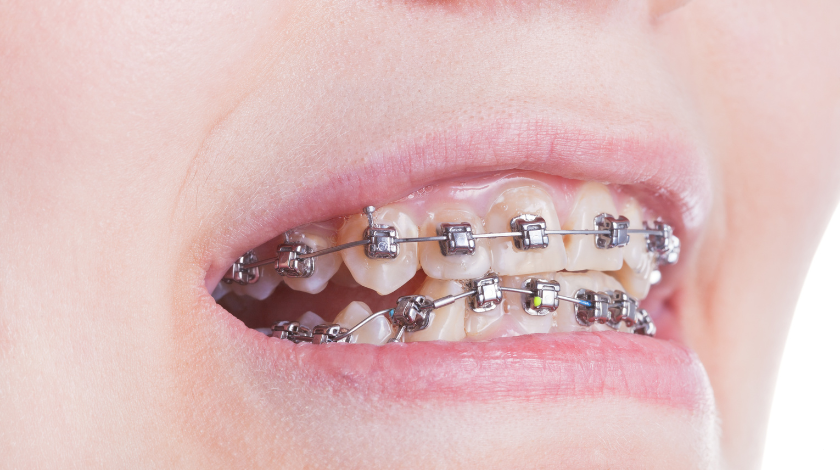
Let’s be honest. For a long time, the word “ortodoncia” came with a very specific mental image: a teenager with a mouth full of metal, maybe feeling a bit self-conscious in their school photos. If you’re an adult reading this, you might have thought, “I missed my chance,” or “It’s too late for me.” Maybe you even had a consultation years ago and life, budget, or fear got in the way.
Well, I’m here to tell you something wonderful: the landscape of orthodontics has changed dramatically, and the old rules no longer apply. Today, more and more adults are embarking on the journey to straighten their teeth, and it’s becoming a normal, even empowering, part of self-care. I’ve seen it firsthand in my own social circle and through conversations with dental professionals. The feeling isn’t one of embarrassment, but of quiet confidence. So, let’s set aside those outdated ideas and talk about why pursuing orthodontia as an adult might be one of the best decisions you make for yourself.
El Cambio de Mentalidad: La Ortodoncia Hoy es Diferente.
Gone are the days when orthodontic treatment was seen as a purely cosmetic luxury for the young. There’s been a fundamental shift in understanding. First, societal perception has changed. Seeing a colleague, a public figure, or a friend with clear aligners or subtle ceramic brackets is now commonplace. It’s viewed as a proactive health choice, similar to investing in a good mattress for your back or a nutritionist for your diet. Your smile is a part of your overall well-being, and caring for it is a sign of self-respect.
Secondly, and perhaps more importantly, the technology and options have evolved to suit an adult lifestyle. The field recognizes that adults have different needs: professional environments, social engagements, and a desire for discretion. The toolkit is no longer one-size-fits-all metal. This means the treatment can be tailored not just to your dental needs, but to your personal life. The question has shifted from “Can I do it?” to “Which method is the best fit for my life?”
4 Beneficios de la Ortodoncia que Van Más Allá de la Estética
While a straight smile is beautiful, the true rewards of adult orthodontics run much deeper. We’re talking about foundational health improvements.
-
Salud Bucal a Largo Plazo: Crowded or overlapping teeth are notoriously difficult to clean. Floss refuses to go where it needs to, and brushes miss hidden surfaces. This creates perfect hideouts for plaque, which leads to cavities and gum disease. Straight teeth are simply easier to clean. By aligning your teeth, you’re not just preventing cavities between them; you’re safeguarding the health of your gums, which is the bedrock that holds your teeth in place. Think of it as preventive maintenance for your entire mouth.
-
Función y Comodidad Correcta: A misaligned bite, which orthodontists call “malocclusion,” can cause a cascade of problems. You might experience excessive wear on certain teeth, jaw pain, headaches, or even difficulties with chewing and speaking. I had a friend who suffered from chronic tension headaches for years. After her orthodontic treatment corrected a deep bite, the headaches significantly reduced. Her treatment wasn’t just about looks; it was about solving a persistent physical problem.
-
Prevención de Problemas Futuros: That slight crowding isn’t just a cosmetic issue. Over decades, it can lead to teeth wearing down in uneven, unnatural patterns. It can put abnormal stress on the jaw joint (the TMJ), leading to disorders that are complex to treat. Addressing alignment now is an investment to avoid more complicated and costly dental work down the road.
-
Confianza y Autoestima Renovada: Let’s not downplay this one. How you feel about your smile impacts your life profoundly. You might hold back from laughing freely in photos, avoid speaking up in meetings, or constantly worry about how your teeth look. The psychological lift of feeling proud of your smile is real. It’s not vanity; it’s about presenting yourself to the world without a filter of self-consciousness.
Opciones Discretas para el Estilo de Vida Adulto
This is where modern orthodontics shines. You have choices, and your orthodontist can help you navigate them.
-
Alineadores Transparentes (Como Invisalign): These are the clear, removable trays you’ve probably heard about. They are custom-made and changed every week or two. The biggest advantage is their near-invisibility and the fact you can take them out to eat, drink, and clean your teeth normally. They require a high level of patient commitment, as you need to wear them 20-22 hours a day.
-
Brackets Estéticos: These work like traditional metal brackets but are made from materials that blend with your teeth. Brackets de cerámica o zafiro are tooth-colored or clear, making them much less noticeable. They are fixed to your teeth, so there’s no worry about forgetting to wear them, but they require careful cleaning around the brackets.
-
Ortodoncia Lingual: This is the ultimate in discreet fixed treatment. The brackets are custom-made and bonded to the back (tongue-side) of your teeth. They are completely hidden from view. It’s a fantastic solution for those who need the precision of brackets but want zero visual impact.
El Proceso: Qué Esperar Cuando Eres un Paciente Adulto
As an adult, you’re not a passive patient; you’re a partner in the process. It typically starts with a consultation where you express your goals. The orthodontist will do a thorough exam, take X-rays and digital scans of your mouth. This isn’t just paperwork; it’s the data used to craft a precise, personalized plan for you. They’ll discuss which treatment options are medically suitable for your specific case—because not every case can be treated with every method. Then, you talk about timelines (adult treatments can sometimes be quicker than teen treatments, as growth is no longer a factor) and, of course, investment.
The active treatment phase requires adaptation. There might be a short period of discomfort as your teeth begin to move, manageable with over-the-counter pain relief. You’ll need to master a new hygiene routine. But you’ll also start to see small changes—a gap closing, a tooth rotating into place—which are incredibly motivating. And remember, you’re doing this for you, with full awareness of the benefits, which makes the commitment feel very different.
Inversión y Resultados: Un Compromiso de Por Vida
Let’s talk about cost. Orthodontics is an investment, and the price varies widely based on complexity, location, and the type of appliance chosen. The key is to see it not as an expense, but as a long-term investment in your health. Most clinics offer payment plans to make it manageable. Ask for a detailed breakdown during your consultation.
The end of active treatment is a huge milestone, but it’s not the end of the journey. This is the most critical thing to understand: teeth have memory and want to shift back. This is where retainers come in. You will need to wear a retainer, typically every night, for the foreseeable future to maintain your stunning new smile. Think of the retainer as the guardian of your investment. It’s a small, simple habit that protects all the time and dedication you put into the treatment.
Conclusión
Choosing orthodontics as an adult is a powerful act of self-care. It’s a decision that says you value your health, your comfort, and your confidence. It’s proof that it’s genuinely never too late to create the smile you’ve always wanted—or more accurately, the healthy, functional foundation your mouth deserves. The path is clearer and more accessible than ever, with options designed for your life. Why not take the first step? Schedule a consultation with a qualified orthodontist. It’s just a conversation, but it might be the one that starts a transformative journey towards a healthier, more radiant you.
FAQ
1. ¿A qué edad se es “demasiado mayor” para la ortodoncia?
No existe una edad límite. La salud de your bones and gums es un factor mucho más importante que your age. Mientras tus dientes y encías estén sanos, puedes ser candidato para ortodoncia a los 30, 50 o 70 años.
2. ¿El tratamiento duele mucho?
No es un dolor agudo, sino una sensación de presión y molestia que ocurre principalmente después de los ajustes (cada 4-6 semanas con brackets, o cuando cambias a un nuevo alineador). Esta molestia suele durar unos días y es perfectamente manejable. Es una señal de que los dientes se están moviendo.
3. ¿Puedo hacer deporte o tocar un instrumento de viento con brackets o alineadores?
Sí, con adaptaciones. Con brackets, se recomienda un protector bucal para deportes de contacto. Con los instrumentos de viento, hay un periodo de ajuste. Los alineadores transparentes se pueden quitar para ambas actividades, lo que ofrece una gran flexibilidad.
4. ¿Cuánto tiempo debo usar los retenedores?
La regla de oro es: por tanto tiempo como quieras que tus dientes permanezcan rectos. Para la mayoría de las personas, esto significa usar un retenedor removible cada noche indefinidamente. Es un pequeño hábito para un resultado permanente.