
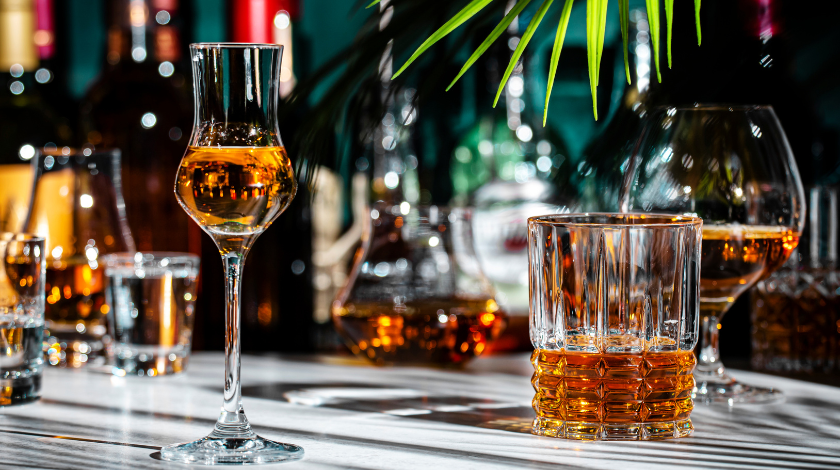
Let me tell you about the first time I truly met Calvados. It wasn’t in a fancy glass in a dimly lit bar. It was at the end of a long, rainy afternoon in a small Norman farmhouse, the kind with low wooden beams. The meal was heavy, comforting, and absolutely delicious. Then, the host brought out a bottle with a simple label, poured a small amber amount into little glasses, and said, “This is from our neighbor’s orchard.” That first sip was a revelation. It wasn’t harsh or fiery. It was like drinking the soul of a perfect autumn day, captured and warmed in a glass. It was complex, yes, but also deeply familiar and welcoming. That’s the spirit I want to introduce you to today.
For years, I’d seen Calvados on shelves and menus, lumped in with other “brown spirits” like Cognac or whisky, feeling a bit intimidated. I thought it was something only experts could appreciate. I was completely wrong. Calvados is one of the most approachable and story-rich spirits out there, and its story begins, quite simply, with an apple.
So, What Exactly is Calvados?
In the simplest terms, Calvados is an apple brandy from the Normandy region in the northwest of France. Let’s break that down, because each word matters.
It’s a brandy, which means it’s a spirit distilled from fermented fruit juice. While grape brandy (like Cognac) is famous, apple brandy is its rustic, aromatic cousin. It’s from Normandy, a land synonymous with cider, cream, and apples. This isn’t just a coincidence of geography. The soil, climate, and centuries of tradition in Normandy are legally protected. Just like Champagne can only come from Champagne, true Calvados must come from its designated area in Normandy. This protection is called an Appellation d’Origine Contrôlée (AOC), a guarantee of authenticity and method.
But calling it just “apple brandy” feels almost disrespectful. It’s like calling a homemade pie “baked fruit.” Calvados is the result of a patient, seasonal alchemy that transforms humble apples into a liquid that can whisper of flowers, sing of fresh fruit, or speak in deep, oaky tones of vanilla and spice, depending on its age.
A Sip of History: How Did This All Start?
The history of Calvados is the history of Normandy itself. Apples have been cultivated here since at least the 8th century. The Normans were making cider practically forever, but the art of distillation arrived later, likely around the 16th century. Why distill cider? Practicality, at first. Distilling concentrated the alcohol, making it easier to store and transport. They called this strong spirit “eau-de-vie de cidre” – the water of life from cider.
The name “Calvados” itself is a bit of a mystery. The most popular theory points to the “San Salvador,” a ship from the Spanish Armada that wrecked off the Norman coast near a region that later took on the name. Whether that’s true or not, the spirit’s reputation grew. It became the fuel for fishermen against the cold, the celebratory drink for weddings, and the daily “trou normand” (Norman hole) – a small glass taken in the middle of a large feast to, believe it or not, “make room” for more food. Through wars, phylloxera crises, and modern industrialization, the small producers held on. Today, enjoying a glass is a direct link to that resilient, pastoral history.
From Orchard to Barrel: The Patient Journey of Making Calvados
This is where the magic happens, and it’s a process that demands respect for time. You can’t rush a good Calvados any more than you can rush an apple tree to bear fruit.
First, come the apples. This isn’t about grabbing Granny Smiths from the supermarket. Normandy orchards are planted with hundreds of specific, often bitter and tannic, cider apple varieties you’d never want to eat. They’re categorized as sweet, bitter-sweet, bitter, and acidic. A master blender, like a perfumer, will create a “coupage” – a blend of different apples from their orchards to achieve the desired base flavor profile for their cider. This is the first big secret.
This pressed apple juice is fermented slowly into a dry, still cider. This cider is then distilled. Here, the two main AOC regions differ. In the most famous region, Pays d’Auge, they use a traditional copper pot still, alambic à repasse, which involves a double distillation. This method is more artisanal, producing a more complex and aromatic spirit. In other AOC areas, a single continuous column still is often used, which yields a purer, fruitier spirit. Neither is inherently “better”; they are different expressions of the apple.
Then, the waiting begins. The clear, fiery new spirit is poured into oak barrels. This is where it gains its color, its softness, and its profound complexity. It breathes through the wood, slowly oxidizing and interacting with the tannins and vanillins in the oak. A master cellar master will watch over these barrels for years, even decades, tasting and monitoring. The spirit loses a small percentage to evaporation each year, poetically called the “angels’ share.” What remains in the barrel grows richer, darker, and more valuable with every passing season.
Decoding the Bottle: AOC, VSOP, and XO Made Simple
Facing a Calvados shelf can be confusing. Let’s translate the key terms.
-
AOC: This is your first check. It means it’s the real deal from Normandy.
-
Pays d’Auge AOC: The gold standard. It guarantees the double pot-still distillation and stricter production rules. If you see this, you know you’re getting something special.
-
Age Statements: This tells you the youngest spirit in the blend.
-
Fine / VS: At least 2 years old. Bright, apple-forward, great for cocktails.
-
VSOP: At least 4 years old. More rounded, with notes of caramel and vanilla starting to appear. A fantastic starting point for sipping.
-
XO / Hors d’Age: At least 6 years old (often much more). Deep, complex, with dried fruit, chocolate, spice, and a long, warming finish. A sipping and contemplation spirit.
-
Vintage: A single year’s distillation, not blended with other years. It’s a pure expression of that specific harvest.
-
My personal advice? Start with a good VSOP from the Pays d’Auge. It’s the perfect sweet spot that shows you both the apple’s freshness and the wood’s influence without a huge price tag.
How to Enjoy Calvados (Without Any Pretension)
You don’t need a special occasion or a fancy crystal snifter. Here’s how to make friends with Calvados.
-
The Neat Sip: Pour a small amount (about 1 oz) into a simple tulip-shaped glass or even a small wine glass. Hold it in your hands for a moment to warm it slightly. Bring it to your nose and just breathe in. Don’t overthink it. Do you smell fresh apples? Cooked apple pie? Dried apricots? Vanilla? Then take a small sip. Let it roll over your tongue. Swallow, and notice the warm, lingering taste that stays behind – the “finish.” That’s it. You’re tasting Calvados.
-
The Digestif: This is its classic role. After a meal, especially a rich one, a small glass of Calvados (an XO is sublime here) is a perfect punctuation mark. It aids digestion and leaves a final, sweet memory of the dinner.
-
The “Trou Normand”: Be a traditionalist! In the middle of a big holiday meal, serve small chilled glasses of a young, vibrant Calvados. It’s a refreshing, palate-cleansing reset.
-
On the Rocks: A large ice cube or sphere in a VS or VSOP is wonderfully refreshing. The slow dilution opens up new flavors.
-
In a Cocktail: It’s brilliant here. It can replace whiskey in an Old Fashioned or brandy in a Sidecar. My favorite simple mix? A Calvados & Tonic. Use a young Calvados, a good quality tonic, and a slice of apple. It’s a game-changer.
Conclusion: Why You Should Welcome Calvados Home
Calvados, at its heart, is a spirit of place and patience. It carries the mist of the Norman coast, the crunch of an orchard in October, and the quiet dedication of generations of producers. It’s versatile enough for a casual cocktail yet profound enough for the most contemplative sip. It has a warmth and an inherent friendliness that many other spirits take years to reveal.
So, next time you’re looking for something with history, character, and sheer drinkability, seek out a bottle. Skip the intimidating aisle and remember that farmhouse in Normandy. It’s not about being an expert. It’s about enjoying a beautiful, storied drink that is, quite literally, the essence of apples transformed by time. Start with a VSOP, pour a little, and taste a piece of France’s most pastoral region. You might just find a new favorite.
Frequently Asked Questions (FAQ)
Q: Is Calvados the same as applejack?
A: They are cousins, but not the same. Both are apple brandies. Calvados is strictly regulated from Normandy, France, and is always distilled. Traditional American applejack was often made by “jacking” or freeze-distilling cider. Modern applejack is distilled, but the taste profile is different due to apples and aging methods. Calvados tends to be more complex due to its specific apples and AOC rules.
Q: Should Calvados be refrigerated?
A: No, never. Store it like other spirits: upright, in a cool, dark place away from direct sunlight and heat sources. The bottle’s seal will keep it fine for years once opened, though the very top notes may fade after a decade or so.
Q: What’s the best way to start drinking Calvados if I’m new to it?
A: Absolutely start with a VSOP from the Pays d’Auge region. Pour a small amount, warm the glass in your hand, and take small sips. Alternatively, try it in a simple mixed drink like Calvados and ginger ale or in a cocktail to ease into its flavor profile.
Q: Can I cook with Calvados?
A: You absolutely should! It’s fantastic for deglazing pans after searing pork chops or chicken. It adds incredible depth to apple-based desserts, sauces for poultry, and even in a creamy mushroom sauce. Just remember, the alcohol burns off, leaving the flavor.
Q: Is Calvados expensive?
A: It can be, but there’s a wide range. A good entry-level VSOP can be found for a price similar to a decent bottle of whiskey. Vintage and long-aged XO bottlings command higher prices due to the decades of aging and care. There are excellent options for every budget.